Introduction Organics Ltd, with its head office located in the industrial West Midlands of England, has its origins in the UK landfill gas and leachate industry. Organics now provides a comprehensive, industrially based manufacturing service, with offices, fabrication...
Welcome to Organics Blogs
Turning Wastewater Ammonia Into Hydrogen
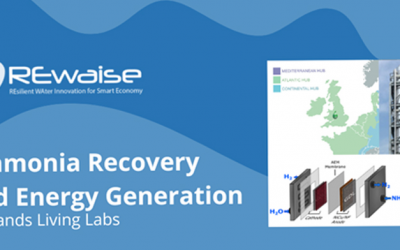
Ammonia RecoveryREWAISEWaste-to-EnergyEvery wastewater treatment plant spends money getting rid of ammonia. At Severn Trent Water alone, aeration to oxidise ammonia to nitrate costs around £1 million a year, burning through 10 GWh of electricity and generating roughly 5,000 tonnes of CO2 in the process....
Thermal Ammonia Stripping
Ammonia StrippingWaste-to-EnergyAmmonia production accounts for between 3% and 5% of the world's natural gas production. This consumption equates to between 1% and 2% of the world’s energy supply. Here on earth, it requires a great deal of effort to produce ammonia. The following article,...
Turning Palm Oil Waste into Power: Inside the Engineering of a Covered Lagoon Biogas Plant
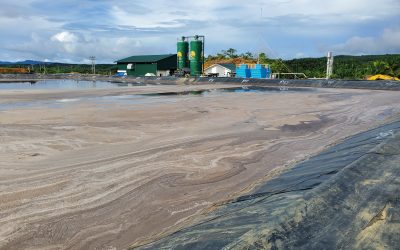
Landfill Gas & BiogasWaste-to-EnergyA new palm oil mill in Kutai Timur, East Kalimantan, is processing 60 tonnes of fresh fruit bunches an hour and with them, up to 600 cubic metres a day of palm oil mill effluent (POME) carrying a chemical oxygen demand (COD) of roughly 100,000 g/m³. That's an enormous...
Burning Off the Smell: Inside an Enclosed Flare Package for a Victoria Landfill Site
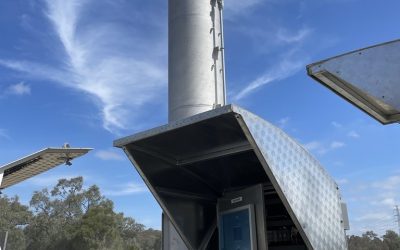
Case StudiesEmissions Control (Gas Flaring)Landfill Gas & BiogasTechnical InsightsWaste-to-EnergyThe problem SBI Group runs a landfill site in Victoria, Australia, and needed to deal with residual odour from its landfill gas stream. The gas doesn't arrive clean: it's a lean, wet mixture — 25% to 50% methane by volume, saturated with moisture, carrying 0% to 5%...
Adding a Third Ammonia Stripping Line to an Operating Landfill: The Engineering Behind a Stand-Alone Retrofit
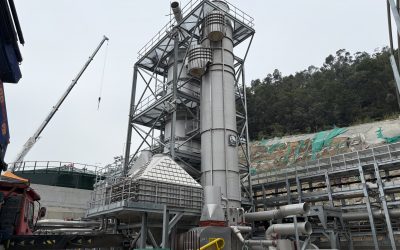
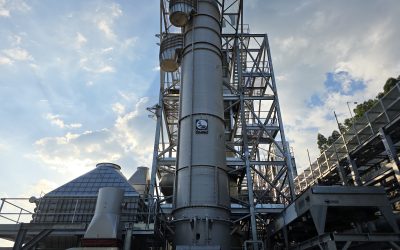
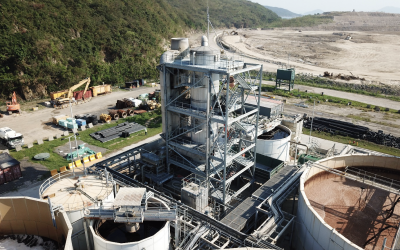
Ammonia StrippingCase StudiesLeachate TreatmentTechnical InsightsHong Kong's NENT landfill already runs two ammonia stripping lines to treat leachate — the liquid that percolates through buried waste. Growing volumes meant those two lines needed a third, independent treatment train, sized to handle up to 1,500 m³/day of leachate...
Thermal Ammonia Stripping for a Hong Kong Landfill: The NENTX Case Study, in Detail
Ammonia StrippingCase StudiesLeachate TreatmentVeolia's NENTX landfill extension near Fanling, Hong Kong needed an ammonia stripping plant (ASP) capable of handling 2,000 m³/day of leachate, cutting ammonium (NH4) from 4,500 mg/l down to under 200 mg/l, on a site where land is expensive and the climate swings from...